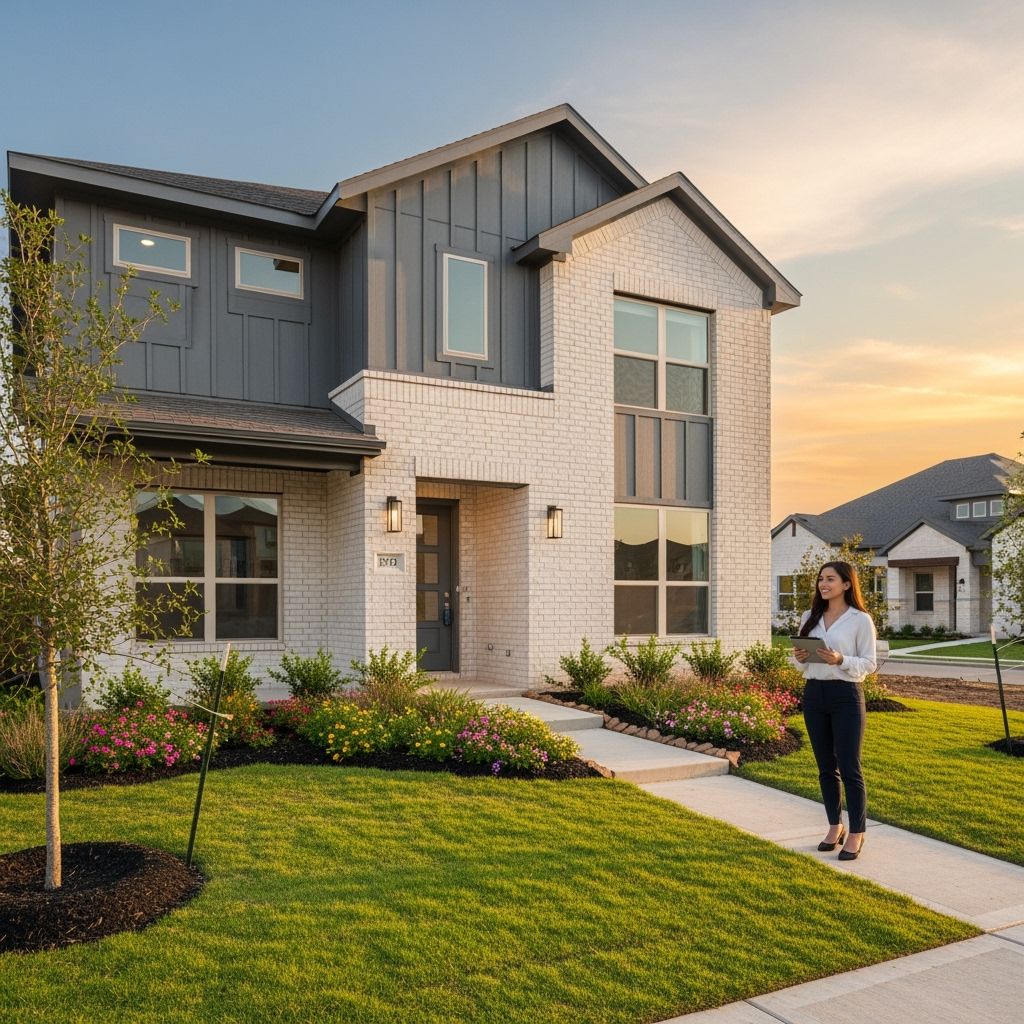
When I started looking at options for 3-bedroom new homes in Pflugerville, I quickly noticed how many of my priorities matched what builders are offering in this part of the metro area. Pflugerville blends small-town ease with big-city access, and recent census trends show the region keeping strong momentum as families and professionals relocate to the outskirts of Austin for more space and better value, making it a smart market to watch: Census Bureau.
Why 3-bedroom homes are drawing buyer interest in this area
Three-bedroom homes hit a sweet spot for a lot of buyers. They’re large enough for a growing family, a home office, or a guest room, yet typically more affordable and lower-maintenance than larger houses. In Pflugerville specifically, I’ve seen demand driven by a few local factors: relatively shorter commutes to Austin compared with farther suburbs, strong neighborhood amenities, and a steady supply of new developments designed for modern buyers.
For many relocating households, the practical benefits are clear: one bedroom becomes a primary suite, a second serves as a child’s bedroom, and the third doubles as an office or flex space. That flexibility is exactly why builders are focusing on smart, efficient 3-bedroom layouts that maximize living space without inflating the price.
What modern 3-bedroom floor plans in Pflugerville typically include
Floor plans have evolved beyond simple box rooms. The most compelling 3-bedroom designs in new communities around the city emphasize open living areas, thoughtful storage, and indoor-outdoor flow. When I tour these homes, I look for a few repeat features that reflect what buyers actually use daily:
- Open-concept kitchen and family room for everyday life and entertaining.
- A primary suite positioned for privacy, often with generous closet space.
- Flexible third bedroom that can be an office, guest room, or playroom.
- Quality finishes and energy-efficient systems that lower long-term costs.
These design elements help a 3-bedroom home feel larger and more livable. In this market, smart layout choices matter almost as much as square footage.
Neighborhood perks near new communities
Pflugerville’s neighborhoods offer a mix of family-oriented parks, neighborhood schools, and quick retail corridors, which is part of the appeal. Living in or near the town gives you access to local trails, community pools, and family-focused events without sacrificing access to employment hubs and entertainment in the region. For many buyers I speak with, finding a community with walkable amenities and green space ranks high on the wish list.
Commute patterns also factor into home choices here. Drive times into central Austin vary by neighborhood and time of day, but buyers often trade a slightly longer commute for significantly more indoor and outdoor living space and lower home prices than comparable properties inside the city proper.
Nearby lifestyle highlights
Living in this part of the metro area tends to mean shorter trips to lakes and parks, easy access to grocery and dining options, and family-friendly programming at local community centers. If weekend outdoor time, neighborhood events, and school convenience matter to you, these neighborhoods deliver.
Trending features buyers want now
Homebuyer preferences shift with lifestyle changes. Two trends I keep seeing across new 3-bedroom builds are a focus on energy efficiency and remote-work readiness. Buyers increasingly want homes that cost less to run and support work-from-home routines without sacrificing privacy or comfort.
Energy-saving features often include better insulation, high-efficiency HVAC systems, LED lighting, and Energy Star-rated appliances. On the technology side, pre-wired smart home setups, robust Wi-Fi coverage, and built-in USB power sources are now expected upgrades. These trends not only improve day-to-day convenience but also increase long-term resale appeal.
How to evaluate a 3-bedroom new home before you buy
When I compare new homes, I use the same practical checklist every time. It helps me separate a pretty model from a home that will actually fit life’s routines.
- Assess the layout flow: Can you imagine daily life in the space from morning routines through entertaining?
- Check storage: Look in closets, the garage, and kitchen cabinetry—storage wins the long game.
- Evaluate natural light and orientation: Good daylight reduces energy use and lifts the mood.
- Ask about warranties and included upgrades: Understand what’s covered and what costs extra.
These steps keep the buying process grounded. A thoughtful tour and a short checklist will reveal whether a home is show-ready or truly liveable.
Financing tips and incentives for new construction
Financing new construction can differ from buying an existing home. Many builders work with preferred lenders and may offer incentives like closing-cost assistance, rate buy-downs, or special financing structures. It pays to shop around and compare offers from local lenders, credit unions, and national banks to ensure you’re getting a competitive rate.
If you’re a first-time buyer or relocating for work, ask about local down payment assistance programs and tax benefits that might be available in the region. Also, consider whether an adjustable-rate mortgage or a fixed-rate loan fits your financial timeline—builders’ incentives can sometimes tip the balance in favor of one option.
Energy and sustainability considerations to lower your bills
Long-term affordability starts with operating costs. Inspect the home’s energy profile: look for modern insulation, efficient windows, smart thermostats, and energy-rated appliances. Increasingly, new home communities include options for solar-ready roofs or community solar programs and pre-installed EV charging or conduits for future installation.
I recommend asking the builder for an energy-performance report if available. Comparing projected energy use across models gives a clearer picture of monthly costs and future savings potential.
How new-home builders solve common buyer pain points
Builder communities often address buyer concerns up front by offering predictable timelines, warranty protection, and clear options for customization. Common pain points—uncertain closing dates, hidden upgrade costs, or unclear warranty coverage—are easier to manage when you work with a builder who communicates in writing and provides a transparent list of included features versus optional upgrades.
When I’m advising clients, I always recommend documenting every promise and verifying upgrade allowances before signing. Having a clear list of included items helps avoid surprises at closing.
Simple steps to reduce friction in the process
In my experience, a few practical moves smooth the transaction from search to move-in:
- Get pre-approved for a mortgage before touring homes so you can act quickly.
- Request a full list of standard features versus paid upgrades to compare apples to apples.
- Schedule independent inspections where applicable and review warranty terms carefully.
- Plan a final walk-through checklist to ensure everything is completed to your expectations.
Timing your purchase and resale considerations
Market timing is always a factor, but with a functional 3-bedroom home, you’re buying versatility. These homes appeal to young families, downsizers seeking a simpler layout, and professionals who need a dedicated workspace. That broad buyer pool often makes 3-bedroom homes easier to resell than highly customized larger homes.
If you anticipate a change in household size over the next few years, prioritize flexible spaces and durable finishes that appeal to multiple buyer types. Neutral finishes, flexible room layouts, and a focus on energy efficiency tend to preserve value over time.
Visiting model homes: how to get the most from a tour
A model home is both an inspiration and a sales tool. To make the most of your visit, bring a tape measure or use your phone to measure awkward spaces, and ask if the model includes upgrades or represents base-level finishes. Talk with the community rep about build timelines, anticipated completion dates, and the community’s covenants or homeowners association expectations, if any.
During open houses, try to visit at different times of the day to evaluate natural light and traffic noise. Take notes and photos (if allowed) to compare communities later. A thoughtful tour helps you see beyond staging and makes it easier to visualize day-to-day living.
Why the three-bedroom choice often outperforms other options
I’ve helped people with different priorities and budgets, and the 3-bedroom configuration consistently wins for versatility and long-term appeal. It’s a balance between cost, practicality, and future flexibility—especially in growth corridors where buyers want value without sacrificing features that support modern life.
Market demand in the area continues to favor homes that deliver efficient use of space, functional design, and a lower maintenance burden. That combination makes a well-designed 3-bedroom new home a strong long-term investment for many buyers.
Final thoughts and next steps
If you’re considering a move to Pflugerville or the surrounding communities and want a home that’s both practical and future-ready, focus on floor plans that prioritize flexible living, energy efficiency, and smart finishes. Start with a pre-approval, tour a few models at different times of day, and keep an eye on the most relevant long-term costs—energy use, HOA dues, and scheduled maintenance.
When you’re ready to take the next step, it helps to work with a builder who provides clear documentation, transparent included features, and solid warranty coverage so you know what to expect on move-in day and beyond.
Ready to tour available floor plans and explore community details for homes in Pflugerville? Visit Empire Homes to see current offerings and request a private visit.