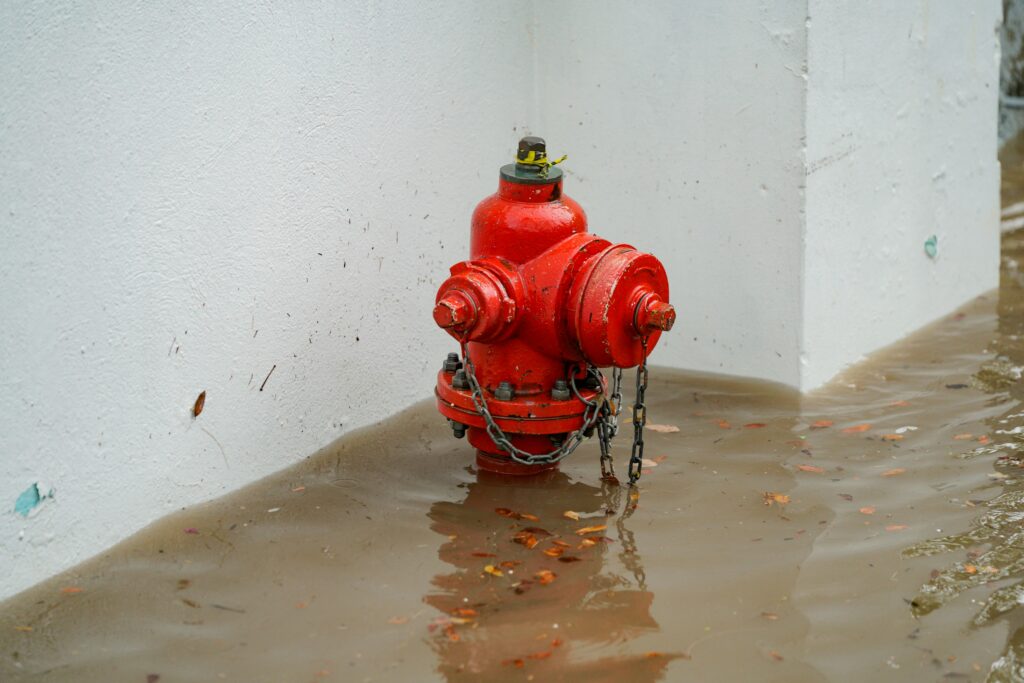
When a pipe bursts at midnight or a sewer backs up into the basement, you need fast, clear help—not confusion. That’s why I recommend contacting an emergency plumber in Watkinsville, GA, who understands the neighborhood streets, the local winter freeze risks, and how to stop water damage before it spreads. For quick facts on household water waste and why early action saves both water and money, the EPA has useful guidance on leaks and water efficiency that I often point people to when I’m helping them prioritize fixes.
Why quick action matters more than you think
Plumbing emergencies are time-sensitive because water doesn’t wait. A slow drip might be an annoyance, but a hidden crack can flood floors, ruin drywall, and create mold within 24–48 hours. Beyond the immediate mess, plumbing failures can damage the structure and lead to costly repairs that balloon if not addressed right away. In this area, older homes and properties near downtown Watkinsville or along US‑441 can see different stressors—tree roots, seasonal ground shifts, and aging service lines—all of which make rapid response essential.
Common plumbing emergencies in the area
Not every plumbing issue is an emergency, but these situations usually are and deserve same‑day attention. Knowing the difference helps you decide whether to call a routine plumber or tap emergency services.
Burst pipes
Pipes can burst from freezing, corrosion, or sudden pressure changes. When a pipe fails, water can pour out uncontrollably. Catching and shutting off the main water quickly reduces damage and the time a technician needs to make repairs.
Sewer backups and slow drains
A sewer backup smells bad and creates a health hazard. These often happen after heavy rain or when roots invade old sewer lines. If the toilet or floor drains back up, stop using water and call emergency help—raw sewage requires professional handling.
No hot water or major water heater leaks
A failed water heater can mean cold showers and, worse, scald risks if a pressure valve malfunctions. If you see pooling around a tank or suspect a leak, turn off the heater’s power source and the water supply, then request an emergency visit.
Immediate steps to take during a plumbing emergency
Acting fast can cut damage by half. Here’s a simple checklist I share with homeowners to stabilize the situation while you wait for a pro.
- Shut off the main water valve to stop incoming water. This is usually near the water meter or where the main comes into the house.
- Turn off electricity in wet areas if water is near outlets or the breaker panel to prevent shocks or fire.
- Contain the water with buckets, towels, and a mop, and move valuables and electronics to higher ground.
- Call an emergency plumber and describe the problem clearly so they can arrive prepared.
How an emergency plumber in Watkinsville responds
A reputable emergency plumbing team follows a predictable process designed to minimize damage and restore safety fast. First, they assess hazards: live water near electrical panels, gas lines, or sewage exposure. Then they stop the leak, either by isolating the problem valve, clamping or replacing a pipe section, or setting up temporary pumps if needed. After stabilization, they explain repair options—from a quick patch to full replacement—and give a clear estimate before doing non‑urgent work.
What to expect when the tech arrives
Expect a professional who arrives with a stocked truck for common emergencies: pipe repair clamps, replacement fittings, pumps, drain machines, and diagnostic tools. They should show identification, explain safety steps they’ll take, and outline your options for repair or replacement with transparent pricing. If the issue is complex, they may secure the site and return with parts or a team for a full fix the next day.
Pricing, transparency, and fair billing
Emergency calls usually include an after‑hours or weekend service fee. Honest plumbers will explain this upfront and provide a written estimate for any repairs beyond initial stabilization. Typical costs vary based on the problem: a clamp or patch is one thing; rerouting a service line or repairing a collapsed sewer is another. Ask for a breakdown of labor, parts, and any call‑out fee before work begins. If you have homeowners insurance, many policies cover sudden damage from burst pipes, so note the timing and document damage with photos for your claim.
Two plumbing trends homeowners in this area should know about
Keeping an eye on new tech and local incentives can prevent future emergencies and save money over time.
- Smart leak detection: Wireless sensors and whole‑home systems can alert you to moisture and unusual water flow before a pipe fails. These systems are becoming more affordable and can be lifesavers in older homes.
- Tankless and hybrid water heaters: More homeowners are switching to systems that reduce the risk of large tank leaks while improving energy efficiency. Consider this if you’re replacing an aging heater.
Local risks and seasonal tips for Watkinsville residents
The climate here brings its own challenges. Freezing snaps in winter can catch homeowners off guard, especially in uninsulated crawlspaces and exterior pipes. Summer storms can overload older storm and sewer lines. I recommend insulating exposed pipes before cold months, keeping gutters clear to prevent water pooling near foundations, and trimming trees that run close to sewer lines to reduce root intrusion. If you live near downtown Watkinsville or along major routes like US‑441, periodic sewer inspections can detect small issues before they become backups.
How to pick the right emergency plumber
When every minute counts, you want a team that’s fast, certified, and insured. Here are criteria I use when recommending a service.
- Licensed and insured: Verify their license and coverage to avoid liability for on‑site accidents.
- Local experience: A plumber who knows Watkinsville and Oconee County understands local codes, common pipe ages, and common issue zones.
- Clear communication: The best technicians explain options, give written estimates, and don’t pressure you into unnecessary work.
- Aftercare and guarantees: Ask about warranties for parts and labor so you’re protected if the fix doesn’t hold.
Common repairs that start as emergencies and what they usually cost
Costs vary, but understanding the scope helps you make smart decisions under stress. A small pipe repair or valve replacement can be a few hundred dollars, while replacing a section of underground service line or a full sewer lateral can be several thousand. Emergency call fees are common during nights and weekends. Good plumbers will present options: stabilize now and schedule a full replacement later, or complete the repair immediately if it’s safer and more cost‑effective.
Preparing your home to reduce future emergency calls
Prevention is the smartest, least stressful plan. Simple maintenance prevents many emergency calls and saves money over time. I suggest an annual plumbing inspection, insulating exposed lines, installing pressure‑reducing valves if your home pressure is high, and replacing old galvanized or polybutylene piping. For renters, report minor leaks early to the owner so they don’t become major issues.
Frequently asked questions about emergency plumbing
Here are the questions I hear most often and the answers I give to keep homeowners informed and calm.
How fast should an emergency plumber arrive?
Arrival times vary by provider and time of day, but for genuine emergencies you should expect a response within an hour in most cases. If the tech gives a longer ETA, ask for steps you can take in the meantime to limit damage.
Can I wait until morning for a repair?
If the issue is contained—a minor leak you can catch with a bucket and the main is off—waiting may be okay. If there’s active flooding, sewage exposure, or a risk to electrical systems, don’t wait. Immediate professional response prevents secondary damage like mold growth or structural problems.
Does homeowners insurance cover emergency plumbing?
Policies differ, but sudden and accidental damage like a burst pipe is often covered, while gradual issues due to lack of maintenance usually are not. Take photos, keep receipts, and contact your insurer quickly to start a claim if the damage is extensive.
Real stories: how quick action saved homes
I’ve seen cases where early action turned what could have been a major disaster into a manageable repair. In one example, a homeowner noticed a wet ceiling and shut off the main water within minutes; the technician arrived quickly, isolated the failing fitting, and replaced the short section of piping the next day. Damage was limited to a small patch of drywall, avoiding structural damage and costly mold remediation. Fast decisions and a reliable emergency responder make all the difference.
When you call, what details help the technician come prepared
Give a concise description: the exact location of the leak (basement, ceiling, under sink), whether the water is clean or sewage, any visible hazards like electrical exposure, how long the issue has been happening, and whether the main water has been shut off. This helps the crew bring the right parts and equipment the first time and speeds up the repair.
Final tips to keep on hand for emergencies
Keep a small binder or digital note with the location of your main shut‑off valve, photos of key plumbing areas, your policy number for homeowner’s insurance, and a trusted emergency plumber’s contact information. If you don’t have a go‑to service yet, research and save one before you need them—it’s the easiest way to avoid stress when things go wrong.
When a plumbing emergency happens in Watkinsville, you don’t have to figure everything out alone. If you want trusted help fast, reach out to Smith Plumbing Solutions Plus for 24/7 emergency response and local expertise that protects homes across Oconee County.